
seo-3007488_640

The Ultimate Guide to SEO in 2025: Boost Your Website Traffic the Smart Way – Copy

In an age where over 90% of online experiences start with a search engine, ranking on Google is more than a luxury — it’s a necessity.

Search Engine Optimization (SEO) remains one of the most powerful ways to drive organic traffic, increase visibility, and grow your business online. Whether you’re a blogger, small business owner, or e-commerce brand, understanding SEO is crucial for long-term success.

This in-depth guide will walk you through everything you need to know about SEO in 2025 — from basic concepts to advanced strategies.

🚀 What is SEO?

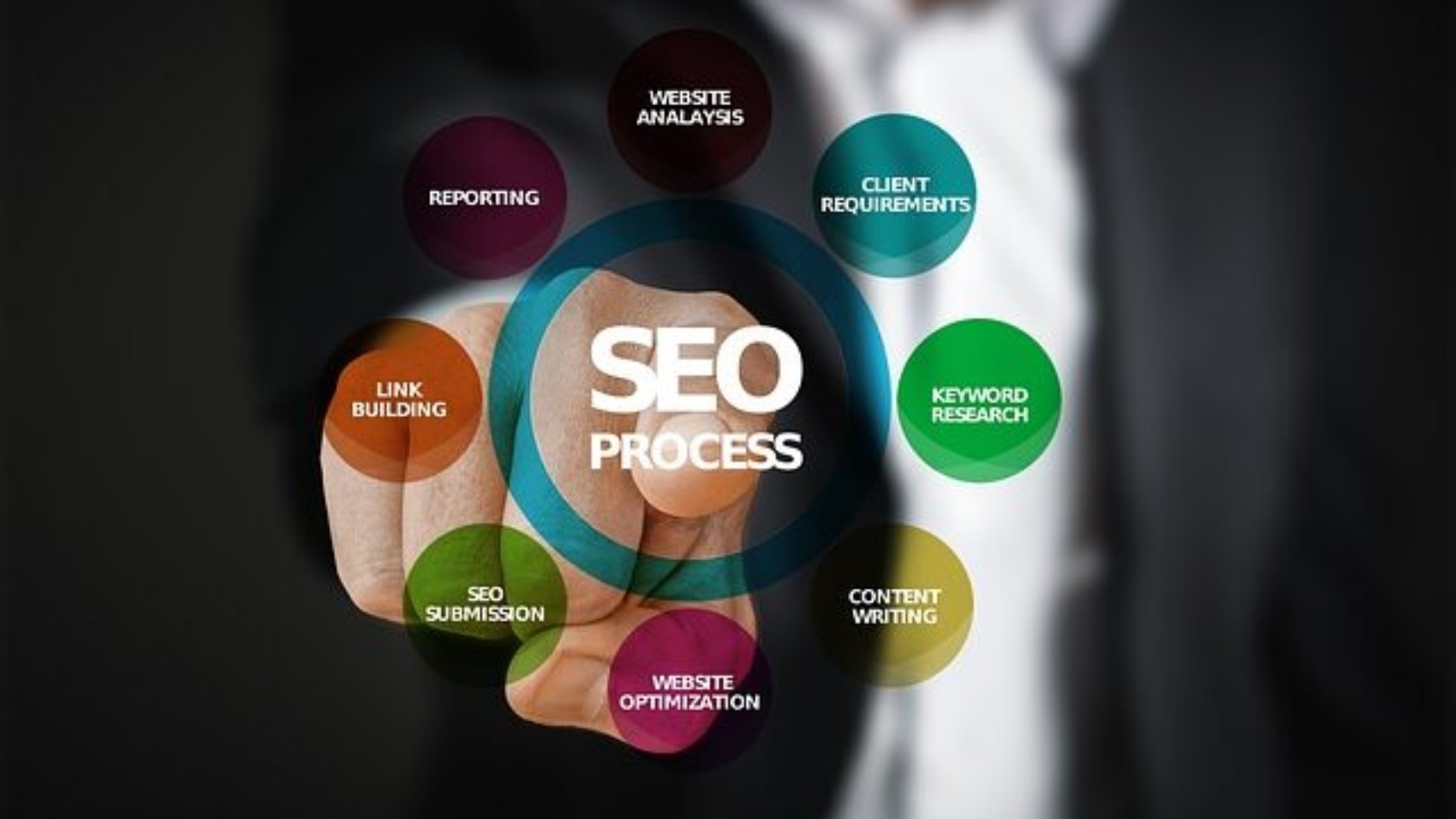
SEO (Search Engine Optimization) is the practice of optimizing your website to increase its visibility on search engines like Google, Bing, and Yahoo. The better your SEO, the higher your website ranks in search results — which means more traffic and more potential customers.

There are three main pillars of SEO:

  1. On-Page SEO
  2. Off-Page SEO
  3. Technical SEO

We’ll explore all three in this guide.


🧱 1. On-Page SEO: Optimizing What You Control

On-page SEO refers to optimizing individual pages on your website to rank higher and earn more relevant traffic. It includes:

✅ Keywords Research

Your SEO strategy begins with finding the right keywords — the terms your audience is typing into Google.

Tools to Use:

  • Google Keyword Planner
  • Ahrefs
  • SEMrush
  • Ubersuggest
  • AnswerThePublic

🔗 2. Off-Page SEO: Building Authority and Trust

Off-page SEO refers to activities that happen outside your website to improve your rankings.

✅ Backlinks: The #1 Ranking Factor

Google sees backlinks as votes of confidence. The more high-quality websites link to you, the higher your authority.

How to Get Backlinks:

  • Guest posting on relevant blogs
  • Creating shareable content (like infographics or tools)
  • Broken link building
  • Digital PR and partnerships
  • Submitting to business directories

 3. Technical SEO: Making Your Site Easy for Search Engines

Technical SEO ensures that search engines can crawl and index your website efficiently.

✅ Website Speed

A slow site = bad UX + lower rankings.
Use tools like:

  • Google PageSpeed Insights
  • GTmetrix
  • Lighthouse

Tips to Speed Up:

  • Compress images
  • Use caching
  • Choose a fast hosting provider
  • Minimize CSS and JS files

✅ Mobile Optimization

With mobile-first indexing, your mobile site is now your primary site in Google’s eyes.

Ensure your site is:

  • Responsive
  • Easy to navigate on mobile
  • Fast-loading on 4G/5G

🤖 SEO in the Age of AI and SGE (Search Generative Experience)

Google’s SGE is changing how users interact with search results — displaying AI-generated summaries above traditional listings.

How to Prepare:

  • Create expert-driven content
  • Use structured data (Schema markup) for FAQs, products, reviews, etc.
  • Optimize for conversational queries
  • Focus on E-E-A-T: Experience, Expertise, Authority, Trust

🧠 Common SEO Mistakes to Avoid

  • Keyword stuffing: Overusing keywords ruins UX and can get you penalized
  • Thin content: Short, low-value pages won’t rank well
  • Ignoring technical SEO: If Google can’t crawl your site, it won’t rank
  • Not optimizing for mobile: Over 60% of searches happen on mobile
  • Neglecting updates: SEO isn’t a one-time job — it’s ongoing

🧭 SEO Trends to Watch in 2025

  • Voice Search: Optimize for conversational queries and questions
  • Visual Search: Platforms like Google Lens are growing
  • AI Content: Balance AI-written content with human editing for quality
  • Video SEO: Optimize YouTube content and embed videos on site
  • Core Web Vitals: Continue optimizing user experience metrics like LCP, FID, and CLS

✅ Final Thoughts: SEO is a Long-Term Investment

SEO isn’t about quick wins or hacks. It’s about building a trustworthy, useful, and accessible website for your audience.

If you stay consistent, focus on quality, and adapt to changes, your site will climb the rankings — and stay there.

brand identity

A Complete Guide to Building a Powerful Brand – Copy

In a world where consumers are bombarded with thousands of brand messages daily, standing out is not just a goal—it’s a necessity. That’s where brand identity comes into play.

But what exactly is brand identity? How does it differ from branding or brand image? And how can you build a powerful brand identity that resonates with your audience?

This comprehensive guide breaks it all down for you.


What is Brand Identity?

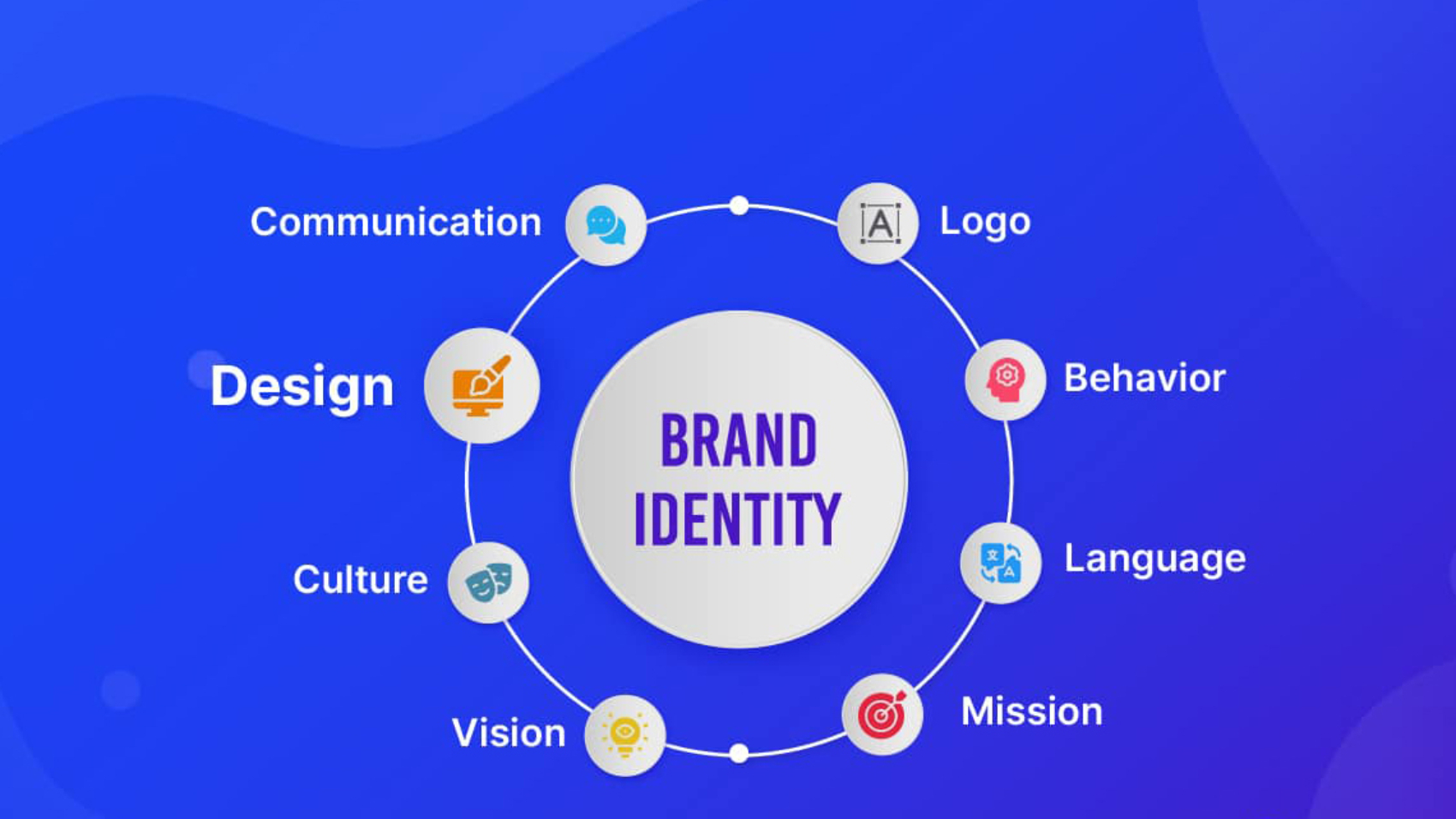
Brand identity is the collection of all elements that a company creates to portray the right image to its consumer. This includes your logo, colors, typography, messaging, packaging, and even your tone of voice.

Think of brand identity as the personality of your business. It’s what makes you instantly recognizable in a crowded marketplace.

 Brand Identity vs. Brand Image vs. Branding

  • Branding: The process of creating and managing a brand.
  • Brand Identity: The visual and verbal expression of your brand.
  • Brand Image: How your audience perceives your brand.

Your brand identity is what you control; your brand image is what people think of you based on that identity.


Why is Brand Identity Important?
  1. Creates Recognition
    Consistent branding across all platforms boosts recognition by up to 80%. When people see your logo or colors, they should instantly know it’s you.
  2. Builds Trust and Credibility
    A strong, consistent identity shows professionalism and reliability, making customers feel more confident doing business with you.
  3. Sets You Apart
    In a sea of competitors, brand identity helps you differentiate your company, values, and offerings.
  4. Drives Customer Loyalty
    People connect with brands that share their values. A clear identity fosters emotional connections, which are key to customer loyalty.
  5. Supports Marketing and Advertising
    A clear identity makes your messaging more effective and your campaigns more cohesive.

🛠️ Key Elements of Brand Identity

To build a strong brand identity, you need to define and design several components. Here are the most critical ones:

1. Brand Name : Your brand name should be memorable, relevant, and easy to pronounce. It’s the foundation of your identity.

2. Logo : Your logo is often the first thing people notice. It should reflect your brand’s personality and work across multiple platforms (print, web, social media).

3. Color Palette : Colors evoke emotions and associations. For example:

  • Blue = Trust (used by banks)
  • Red = Energy or urgency (used by sales/retail brands)
  • Green = Health, sustainability

Use 2–3 primary colors and a few supporting shades.

4. Typography : Fonts also communicate personality. Are you formal and elegant (serif fonts)? Or modern and minimal (sans-serif)?

5. Imagery and Visual Style : This includes photography, icons, and graphics. Your visual assets should feel cohesive and aligned with your brand tone.

6. Voice and Tone : Are you conversational, formal, witty, or authoritative? Your voice should remain consistent across all communication channels—from social posts to emails.

7. Tagline or Slogan : A short, catchy phrase that sums up what you offer. Examples:

  • Nike: Just Do It
  • Apple: Think Different

8. Mission, Vision, and Core Values : These define why you exist, where you’re going, and what you stand for.


working on laptop

Digital Marketing: The Ultimate Guide to Growing Your Business Online – Copy

In today’s fast-paced digital world, having a strong online presence is no longer optional — it’s essential. Whether you’re a startup, small business, or large enterprise, digital marketing plays a crucial role in reaching your target audience, building brand awareness, and driving sales.

But what exactly is digital marketing, and how can you make it work for your business? Let’s dive in.


What is digital marketing?

Digital marketing refers to the promotion of products or services using digital channels such as:

  • Search Engines
  • Social Media
  • Email
  • Websites
  • Moble Apps

Unlike traditional marketing, digital marketing allows businesses to track results in real-time, target specific demographics, and optimize campaigns for better performance.


Key Benefits of Digital Marketing

  1. Cost-Effective
    Digital marketing is often more affordable than traditional methods like TV or print ads, especially for small businesses.
  2. Measurable Results
    With tools like Google Analytics, you can track clicks, conversions, bounce rates, and more — giving you full control over your marketing performance.
  3. Global Reach
    The internet has no borders. A well-targeted campaign can reach potential customers anywhere in the world.
  4. Targeted Audience
    Platforms like Facebook and Google Ads allow you to narrow your audience by age, location, interests, and behavior.
  5. Improved Engagement
    Through social media, live chats, and interactive content, businesses can engage with their audience in real-time.

Types of Digital Marketing

Here are the most popular forms of digital marketing:

1. Search Engine Optimization (SEO)
Optimizing your website to rank higher in search engine results pages (SERPs) organically.
2. Pay-Per-Click Advertising (PPC)
Paid ads that appear on search engines or websites — you pay only when someone clicks.
3. Content Marketing
Creating valuable content (blogs, videos, infographics) to attract and educate your audience.
4. Social Media Marketing
Promoting your brand through platforms like Facebook, Instagram, LinkedIn, and X (formerly Twitter).
5. Email Marketing
Sending newsletters, promotions, and updates directly to your subscribers’ inboxes.
6. Affiliate Marketing
Partnering with influencers or websites to promote your products and paying them a commission per sale.
7. Influencer Marketing
Collaborating with influencers who have a large following to promote your brand.


How to Create a Digital Marketing Strategy

Follow these steps to build an effective digital marketing plan:

  1. Define Your Goals
    What do you want to achieve? (More sales, brand awareness, leads?)
  2. Identify Your Audience
    Understand your ideal customer — their age, interests, behavior, and pain points.
  3. Choose the Right Channels
    Not every platform works for every business. Choose based on where your audience hangs out.
  4. Create High-Quality Content
    Your content should educate, entertain, or solve problems.
  5. Track and Optimize
    Use tools like Google Analytics, Facebook Insights, or HubSpot to measure results and improve.

Trends to Watch in Digital Marketing (2025)

  • AI and automation in chatbots, email marketing, and ad targeting
  • Voice search optimization for smart assistants
  • Short-form video content on TikTok, Reels, and YouTube Shorts
  • Personalized marketing powered by data analytics
  • Sustainable and ethical branding attracting conscious consumers
seo-3007488_640

The Ultimate Guide to SEO in 2025: Boost Your Website Traffic the Smart Way

In an age where over 90% of online experiences start with a search engine, ranking on Google is more than a luxury — it’s a necessity.

Search Engine Optimization (SEO) remains one of the most powerful ways to drive organic traffic, increase visibility, and grow your business online. Whether you’re a blogger, small business owner, or e-commerce brand, understanding SEO is crucial for long-term success.

This in-depth guide will walk you through everything you need to know about SEO in 2025 — from basic concepts to advanced strategies.


🚀 What is SEO?

SEO (Search Engine Optimization) is the practice of optimizing your website to increase its visibility on search engines like Google, Bing, and Yahoo. The better your SEO, the higher your website ranks in search results — which means more traffic and more potential customers.

There are three main pillars of SEO:

  1. On-Page SEO
  2. Off-Page SEO
  3. Technical SEO

We’ll explore all three in this guide.


🧱 1. On-Page SEO: Optimizing What You Control

On-page SEO refers to optimizing individual pages on your website to rank higher and earn more relevant traffic. It includes:

✅ Keywords Research

Your SEO strategy begins with finding the right keywords — the terms your audience is typing into Google.

Tools to Use:

  • Google Keyword Planner
  • Ahrefs
  • SEMrush
  • Ubersuggest
  • AnswerThePublic

🔗 2. Off-Page SEO: Building Authority and Trust

Off-page SEO refers to activities that happen outside your website to improve your rankings.

✅ Backlinks: The #1 Ranking Factor

Google sees backlinks as votes of confidence. The more high-quality websites link to you, the higher your authority.

How to Get Backlinks:

  • Guest posting on relevant blogs
  • Creating shareable content (like infographics or tools)
  • Broken link building
  • Digital PR and partnerships
  • Submitting to business directories

 3. Technical SEO: Making Your Site Easy for Search Engines

Technical SEO ensures that search engines can crawl and index your website efficiently.

✅ Website Speed

A slow site = bad UX + lower rankings.
Use tools like:

  • Google PageSpeed Insights
  • GTmetrix
  • Lighthouse

Tips to Speed Up:

  • Compress images
  • Use caching
  • Choose a fast hosting provider
  • Minimize CSS and JS files

✅ Mobile Optimization

With mobile-first indexing, your mobile site is now your primary site in Google’s eyes.

Ensure your site is:

  • Responsive
  • Easy to navigate on mobile
  • Fast-loading on 4G/5G

🤖 SEO in the Age of AI and SGE (Search Generative Experience)

Google’s SGE is changing how users interact with search results — displaying AI-generated summaries above traditional listings.

How to Prepare:

  • Create expert-driven content
  • Use structured data (Schema markup) for FAQs, products, reviews, etc.
  • Optimize for conversational queries
  • Focus on E-E-A-T: Experience, Expertise, Authority, Trust

🧠 Common SEO Mistakes to Avoid

  • Keyword stuffing: Overusing keywords ruins UX and can get you penalized
  • Thin content: Short, low-value pages won’t rank well
  • Ignoring technical SEO: If Google can’t crawl your site, it won’t rank
  • Not optimizing for mobile: Over 60% of searches happen on mobile
  • Neglecting updates: SEO isn’t a one-time job — it’s ongoing

🧭 SEO Trends to Watch in 2025

  • Voice Search: Optimize for conversational queries and questions
  • Visual Search: Platforms like Google Lens are growing
  • AI Content: Balance AI-written content with human editing for quality
  • Video SEO: Optimize YouTube content and embed videos on site
  • Core Web Vitals: Continue optimizing user experience metrics like LCP, FID, and CLS

✅ Final Thoughts: SEO is a Long-Term Investment

SEO isn’t about quick wins or hacks. It’s about building a trustworthy, useful, and accessible website for your audience.

If you stay consistent, focus on quality, and adapt to changes, your site will climb the rankings — and stay there.


brand identity

A Complete Guide to Building a Powerful Brand

In a world where consumers are bombarded with thousands of brand messages daily, standing out is not just a goal—it’s a necessity. That’s where brand identity comes into play.

But what exactly is brand identity? How does it differ from branding or brand image? And how can you build a powerful brand identity that resonates with your audience?

This comprehensive guide breaks it all down for you.


What is Brand Identity?

Brand identity is the collection of all elements that a company creates to portray the right image to its consumer. This includes your logo, colors, typography, messaging, packaging, and even your tone of voice.

Think of brand identity as the personality of your business. It’s what makes you instantly recognizable in a crowded marketplace.

 Brand Identity vs. Brand Image vs. Branding

  • Branding: The process of creating and managing a brand.
  • Brand Identity: The visual and verbal expression of your brand.
  • Brand Image: How your audience perceives your brand.

Your brand identity is what you control; your brand image is what people think of you based on that identity.


Why is Brand Identity Important?
  1. Creates Recognition
    Consistent branding across all platforms boosts recognition by up to 80%. When people see your logo or colors, they should instantly know it’s you.
  2. Builds Trust and Credibility
    A strong, consistent identity shows professionalism and reliability, making customers feel more confident doing business with you.
  3. Sets You Apart
    In a sea of competitors, brand identity helps you differentiate your company, values, and offerings.
  4. Drives Customer Loyalty
    People connect with brands that share their values. A clear identity fosters emotional connections, which are key to customer loyalty.
  5. Supports Marketing and Advertising
    A clear identity makes your messaging more effective and your campaigns more cohesive.

🛠️ Key Elements of Brand Identity

To build a strong brand identity, you need to define and design several components. Here are the most critical ones:

1. Brand Name : Your brand name should be memorable, relevant, and easy to pronounce. It’s the foundation of your identity.

2. Logo : Your logo is often the first thing people notice. It should reflect your brand’s personality and work across multiple platforms (print, web, social media).

3. Color Palette : Colors evoke emotions and associations. For example:

  • Blue = Trust (used by banks)
  • Red = Energy or urgency (used by sales/retail brands)
  • Green = Health, sustainability

Use 2–3 primary colors and a few supporting shades.

4. Typography : Fonts also communicate personality. Are you formal and elegant (serif fonts)? Or modern and minimal (sans-serif)?

5. Imagery and Visual Style : This includes photography, icons, and graphics. Your visual assets should feel cohesive and aligned with your brand tone.

6. Voice and Tone : Are you conversational, formal, witty, or authoritative? Your voice should remain consistent across all communication channels—from social posts to emails.

7. Tagline or Slogan : A short, catchy phrase that sums up what you offer. Examples:

  • Nike: Just Do It
  • Apple: Think Different

8. Mission, Vision, and Core Values : These define why you exist, where you’re going, and what you stand for.


working on laptop

Digital Marketing: The Ultimate Guide to Growing Your Business Online

In today’s fast-paced digital world, having a strong online presence is no longer optional — it’s essential. Whether you’re a startup, small business, or large enterprise, digital marketing plays a crucial role in reaching your target audience, building brand awareness, and driving sales.

But what exactly is digital marketing, and how can you make it work for your business? Let’s dive in.


What is digital marketing?

Digital marketing refers to the promotion of products or services using digital channels such as:

  • Search Engines
  • Social Media
  • Email
  • Websites
  • Moble Apps

Unlike traditional marketing, digital marketing allows businesses to track results in real-time, target specific demographics, and optimize campaigns for better performance.


Key Benefits of Digital Marketing

  1. Cost-Effective
    Digital marketing is often more affordable than traditional methods like TV or print ads, especially for small businesses.
  2. Measurable Results
    With tools like Google Analytics, you can track clicks, conversions, bounce rates, and more — giving you full control over your marketing performance.
  3. Global Reach
    The internet has no borders. A well-targeted campaign can reach potential customers anywhere in the world.
  4. Targeted Audience
    Platforms like Facebook and Google Ads allow you to narrow your audience by age, location, interests, and behavior.
  5. Improved Engagement
    Through social media, live chats, and interactive content, businesses can engage with their audience in real-time.

Types of Digital Marketing

Here are the most popular forms of digital marketing:

1. Search Engine Optimization (SEO)
Optimizing your website to rank higher in search engine results pages (SERPs) organically.
2. Pay-Per-Click Advertising (PPC)
Paid ads that appear on search engines or websites — you pay only when someone clicks.
3. Content Marketing
Creating valuable content (blogs, videos, infographics) to attract and educate your audience.
4. Social Media Marketing
Promoting your brand through platforms like Facebook, Instagram, LinkedIn, and X (formerly Twitter).
5. Email Marketing
Sending newsletters, promotions, and updates directly to your subscribers’ inboxes.
6. Affiliate Marketing
Partnering with influencers or websites to promote your products and paying them a commission per sale.
7. Influencer Marketing
Collaborating with influencers who have a large following to promote your brand.


How to Create a Digital Marketing Strategy

Follow these steps to build an effective digital marketing plan:

  1. Define Your Goals
    What do you want to achieve? (More sales, brand awareness, leads?)
  2. Identify Your Audience
    Understand your ideal customer — their age, interests, behavior, and pain points.
  3. Choose the Right Channels
    Not every platform works for every business. Choose based on where your audience hangs out.
  4. Create High-Quality Content
    Your content should educate, entertain, or solve problems.
  5. Track and Optimize
    Use tools like Google Analytics, Facebook Insights, or HubSpot to measure results and improve.

Trends to Watch in Digital Marketing (2025)

  • AI and automation in chatbots, email marketing, and ad targeting
  • Voice search optimization for smart assistants
  • Short-form video content on TikTok, Reels, and YouTube Shorts
  • Personalized marketing powered by data analytics
  • Sustainable and ethical branding attracting conscious consumers